
Blogs
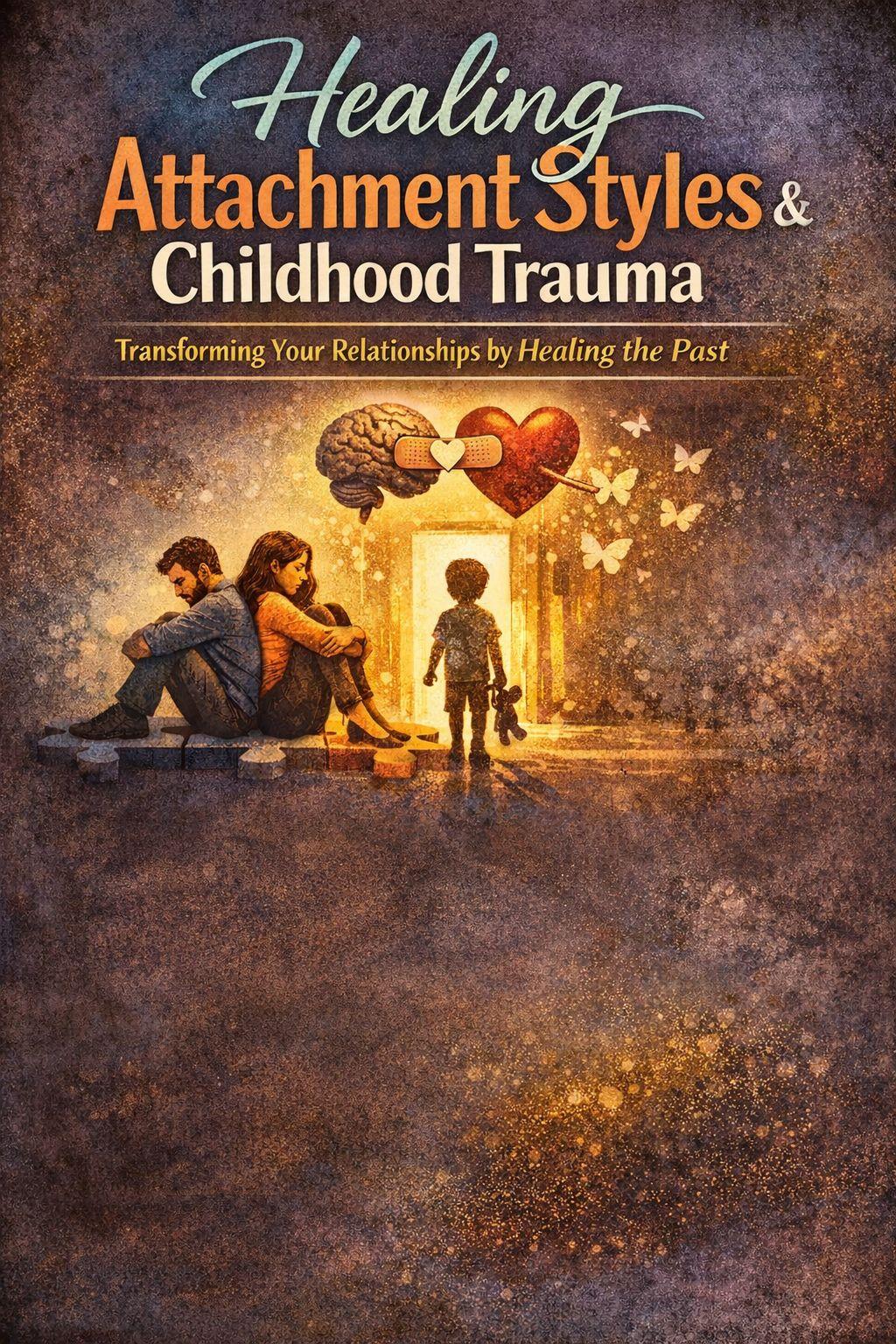
Healing Attachment Styles & Childhood Trauma
Healing Attachment Styles & Childhood Trauma

How Understanding the Past Can Transform Your Relationships
Have you ever found yourself stuck in the same relationship arguments, no matter who you’re with?
Or felt an intense fear of abandonment… or the urge to shut down the moment things get emotionally close?
These patterns are rarely about the present moment.
They’re often rooted in attachment styles and unhealed childhood trauma.
This is why Healing Attachment Styles & Childhood Trauma is becoming one of the most talked-about topics in relationship coaching and therapy today.
Why This Topic Is Resonating So Deeply
Modern couples are realizing something powerful: Communication problems are not just communication problems.They’re emotional safety problems.
With growing awareness around psychology, therapy, and trauma-informed coaching, people are beginning to connect the dots between:
• How they were loved (or not loved) as children
• How they react in adult relationships
• Why certain triggers feel overwhelming or uncontrollable
Healing is no longer seen as “fixing something broken”—it’s about understanding yourself with compassion.
Understanding Attachment Styles
Attachment styles develop early in life based on how safe, seen, and supported we felt with our caregivers. These styles don’t disappear as adults—they show up most strongly in close relationships.
🔒 Secure Attachment
• Comfortable with intimacy and independence
• Can communicate needs openly
• Trusts without losing themselves
Good news: Secure attachment can be learned at any stage of life.
😟 Anxious Attachment
• Fear of abandonment or rejection
• Needs frequent reassurance
• Feels “too much” or worries about not being enough
Often rooted in inconsistent caregiving or emotional unpredictability.
🧱 Avoidant Attachment
• Struggles with emotional closeness
• Values independence to an extreme
• Shuts down during conflict
Commonly linked to emotional neglect or being taught that vulnerability isn’t safe.
Childhood Trauma & Emotional Triggers
Trauma doesn’t always mean abuse or major events.
Sometimes, it’s the absence of emotional safety.
Unhealed trauma can cause intense reactions that feel automatic. These are known as trauma responses:
• Fight: Anger, defensiveness, controlling behavior
• Flight: Avoidance, distancing, leaving emotionally or physically
• Freeze: Numbing, dissociation, feeling stuck
• Fawn: People-pleasing, self-abandonment to keep peace
When triggered, your nervous system reacts as if the past is happening again—even when it’s not.
Healing Past Relationship Wounds
Healing doesn’t mean blaming parents or past partners.
It means taking responsibility for how old wounds are affecting your present life.
Some powerful steps include:
• Recognizing your triggers without judgment
• Learning to regulate your nervous system
• Re-parenting yourself with safety and compassion
• Practicing secure behaviors, even when they feel uncomfortable
Healing is not linear—but it is possible.
Rebuilding Emotional Safety & Intimacy
True intimacy grows when both people feel safe to be:
• Seen
• Heard
• Accepted
As attachment wounds heal:
• Conflict becomes less explosive
• Communication feels clearer
• Emotional closeness no longer feels threatening
Relationships stop being about survival—and start becoming about connection.
Who This Journey Is For
This work deeply resonates with:
• Couples stuck in recurring arguments
• Individuals craving deeper emotional connection
• People recovering from toxic or painful relationships
• Anyone tired of repeating the same patterns
If you’ve ever thought, “Why does this keep happening to me?”
This might be your answer.
Final Thought
Healing attachment styles and childhood trauma isn’t about changing who you are.
It’s about coming back to who you were before you learned to protect yourself.
And from that place—
healthier relationships naturally follow.

Handcrafted by Coach Foundation | Copyright © 2023 Swati Mukherjee's Coaching. All Rights Reserved.