
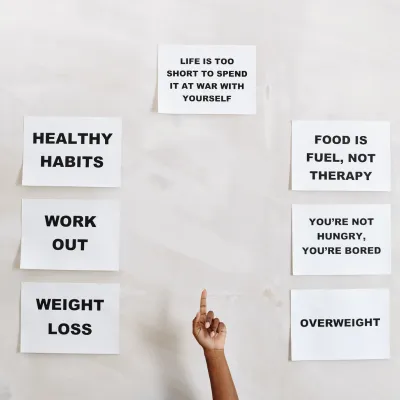
Nurturing Well-being: A Deep Dive into 5 Essential Self-Care Habits
“Nurturing Well-being: A Deep Dive into 5 Essential Self-Care Habits.” - Robin Humphreys
In the fast-paced world we live in, where the demands of work, family, and social life seem never-ending, taking care of ourselves often takes a backseat. However, prioritizing self-care is crucial for maintaining a healthy and balanced life.
In this blog post, we will delve into five self-care habits that, when integrated into your daily routine, can make a significant impact on your overall well-being.
What is a Self Care Habit?
Essential self-care habits are a set of intentional and routine practices that individuals incorporate into their daily lives to promote and maintain overall well-being.
These habits encompass various aspects of health, including physical, mental, and emotional dimensions. The goal of essential self-care is to nurture oneself and prevent burnout by addressing the demands and stressors of daily life.
These habits recognize the interconnectedness of physical and mental health, emphasizing the importance of a holistic approach to self-care. By incorporating essential self-care habits into one's routine, individuals strive to create a foundation for a healthier and more fulfilling lifestyle.
5 Essential Self-Care Habits to Incorporate in Daily Life
Essential self-care habits are crucial for maintaining overall well-being. Prioritizing self-care is not indulgence; it is a necessity for a balanced and fulfilling life.
Taking the time for self-care contributes to increased resilience, improved focus, and a greater capacity to navigate life's challenges.
Here are the 5 habits that will empower you to lead healthier, more satisfying lives.
1. Prioritize Adequate Sleep: The Foundation of Well-being
Quality sleep is the cornerstone of good health, both mentally and physically. Unfortunately, in our busy lives, sleep is often sacrificed.
It's essential to recognize the importance of establishing a consistent sleep schedule. Aim for 7-9 hours of sleep each night, allowing your body and mind to rejuvenate.
Create a sleep-friendly environment by keeping your bedroom cool, dark, and quiet. Limiting screen time before bedtime can also improve the quality of your sleep by minimizing exposure to the blue light emitted by electronic devices, which can disrupt the production of the sleep hormone melatonin.
2. Mindful Meditation: Cultivating Mental Clarity
In the midst of life's chaos, finding moments of stillness can be transformative. Mindful meditation is a practice that involves bringing your attention to the present moment without judgment.
This can significantly reduce stress and enhance mental clarity. Consider starting with just a few minutes of meditation each day, gradually increasing the duration as you become more comfortable. Numerous apps, such as Headspace and Calm, offer guided meditation sessions for beginners, making it accessible for those new to the practice.
The benefits of mindfulness extend beyond the meditation session, fostering a greater sense of calm and resilience in the face of life's challenges.
3. Regular Exercise: A Mood Booster and Stress Reliever
Exercise is not only essential for physical health but also plays a pivotal role in mental well-being. Engaging in regular physical activity releases endorphins, the body's natural mood lifters.
Find an exercise routine that you enjoy, whether it's jogging, yoga, swimming, or dancing. The key is to make it a consistent part of your routine. Exercise not only helps manage stress but also contributes to better sleep, improved cognitive function, and increased overall energy levels.
The goal is to find an activity that brings you joy, making it more likely that you'll stick with it over the long term.
4. Healthy Eating Habits: Fueling Your Body and Mind
A balanced and nutritious diet is fundamental to overall well-being. Consuming a variety of fruits, vegetables, lean proteins, and whole grains provides the essential nutrients your body needs to function optimally.
Hydration is equally crucial, so make sure to drink an adequate amount of water throughout the day. Planning meals in advance and preparing nutritious snacks can make it easier to maintain healthy eating habits, even with a busy schedule.
Remember that small, sustainable changes to your diet can have a profound impact on your energy levels, mood, and long-term health.
5. Digital Detox: Unplugging for Mental Wellness
In the digital age, constant connectivity can contribute to feelings of overwhelm and stress. Taking regular breaks from screens, especially social media, allows your mind to rest and recharge.
Consider designating specific times of the day for checking emails and messages to avoid the constant influx of notifications. Implementing a "tech-free" period before bedtime can also improve the quality of your sleep.
While a complete digital detox may not be realistic for everyone, finding a balance that respects your need for both connection and disconnection is essential for maintaining mental wellness in the digital era.
Conclusion
Incorporating these self-care habits into your daily routine is an investment in your overall well-being. Prioritizing adequate sleep, practicing mindful meditation, engaging in regular exercise, adopting healthy eating habits, and taking breaks from digital screens are transformative practices that contribute to a healthier, more balanced life.
Remember, self-care is not a one-size-fits-all approach. It's about discovering what works best for you and making a commitment to prioritize your well-being.
FAQs:
1. How do I find time for self-care in a busy schedule?
Starting small is key. Dedicate a few minutes each day to one self-care activity, gradually increasing the time as you become more comfortable. The consistency of these small moments can have a significant impact on your overall well-being.
2. What if I struggle with meditation?
Experiment with different techniques, such as guided meditations for mindfulness apps, to find what resonates with you. It's normal to encounter challenges, so approach meditation with patience and an open mind.
3. Can I still practice self-care if I have a hectic lifestyle?
Absolutely. Self-care doesn't have to be time-consuming. Look for opportunities to incorporate small habits throughout your day, such as taking short breaks, practicing deep breathing, or choosing nutritious snacks.
Handcrafted by Coach Foundation | Copyright © 2023 Robin Humphreys`s Coaching. All Rights Reserved.