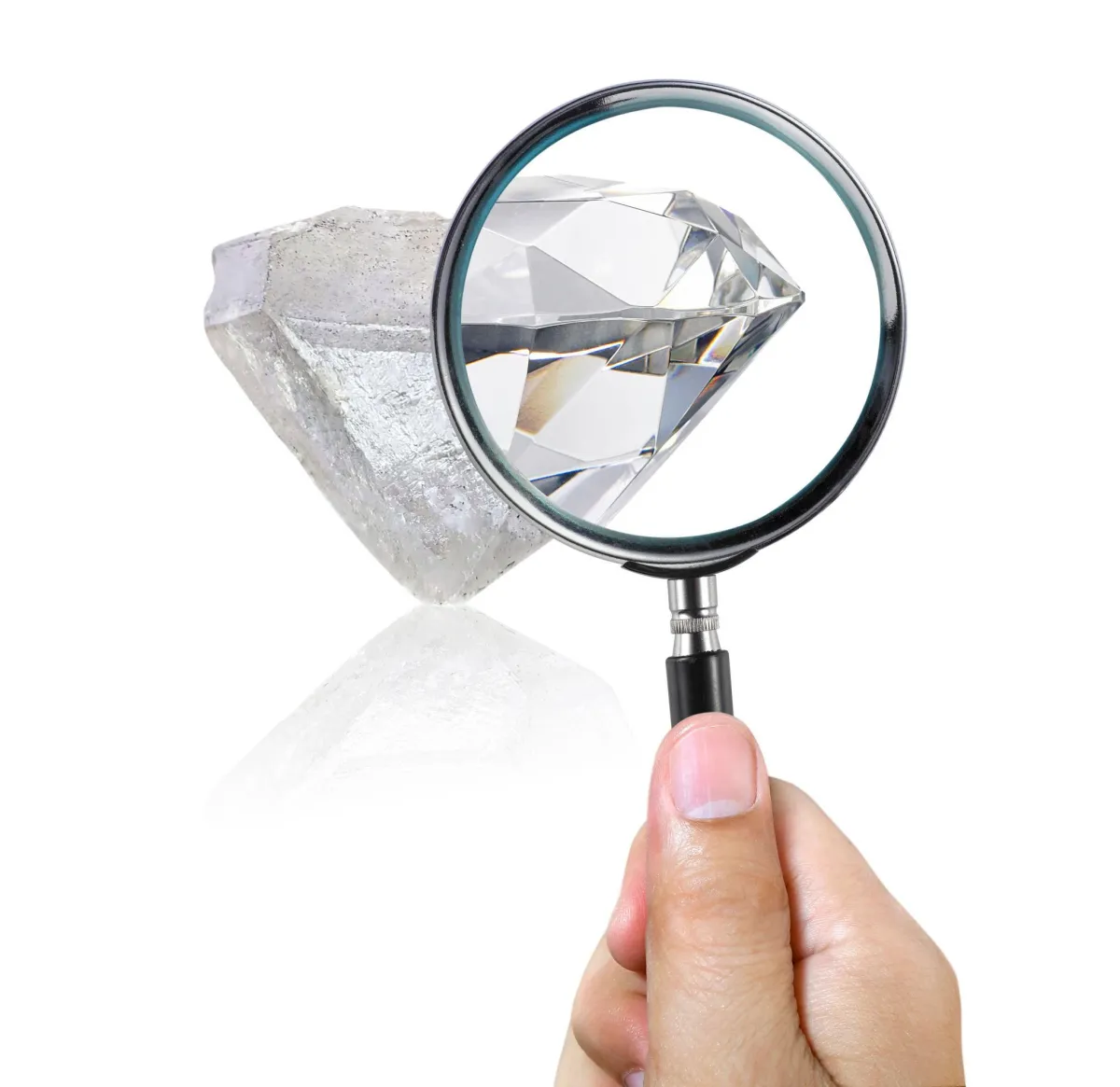
Transparency in the Jewellery Industry: Why It Matters More Than Ever
In today’s jewellery market, something profound has shifted. Clients are no longer simply buying a piece of jewellery—they are buying confidence.
And confidence is built on one thing above all else: transparency.
For decades, jewellery sales relied heavily on trust that was implied rather than demonstrated. Customers believed in the expertise of the jeweller, the quality of the gemstones, and the accuracy of the information provided. But modern consumers are more informed, more curious, and more cautious. They want to understand what they are buying, why it has value, and whether they can trust the person guiding them.
Transparency is no longer a “nice to have.”
It is the foundation of every successful jewellery business today.
What Does Transparency Really Mean?
Transparency in the jewellery industry goes far beyond simply telling the truth. It means:
Explaining gemstone quality in language clients actually understand
Clearly outlining how a value has been determined
Disclosing treatments, enhancements, and origin when known
Being upfront about limitations, uncertainties, or assumptions
Documenting findings in a way that is consistent and defensible
Transparency is not about overwhelming a client with technical jargon. In fact, it’s the opposite. It’s about translating complex gemmological information into meaningful, usable knowledge.
Because when clients understand, they trust.
The Shift: From Price to Confidence
For years, price was the dominant factor in jewellery decisions. Today, confidence is taking its place.
A client may compare two similar-looking diamonds and notice a price difference. Without transparency, that difference creates doubt. With transparency, it creates understanding.
When you explain:
Why one diamond has a higher value
How cut, clarity, and proportions affect performance
What is documented versus what is estimated
You remove uncertainty—and uncertainty is what stops sales.
This is why transparency is now directly tied to profitability.
Clear communication doesn’t reduce value—it reinforces it.
Where Transparency Often Breaks Down
Even experienced professionals can unintentionally create confusion. Some of the most common breakdowns include:
1. Overuse of Technical Language
Terms like “VS clarity” or “excellent cut” mean little to a client without context. When we rely too heavily on industry shorthand, we lose the client.
2. Assumptions About Client Knowledge
Clients may nod along, but that doesn’t mean they understand. Transparency requires checking in, not just delivering information.
3. Incomplete Disclosure
Whether intentional or not, failing to mention treatments, origin uncertainties, or mounting limitations can damage trust quickly.
4. Lack of Documentation
If it isn’t written clearly and professionally, it cannot be defended. A transparent process always includes a clear paper trail.
The Role of the Jewellery Appraiser
This is where the role of the jewellery appraiser becomes critical.
An appraiser is not there to sell. They are there to interpret, document, and communicate value in a way that is unbiased and defensible.
Transparency is at the core of professional appraising:
Every conclusion must be supported
Every limitation must be stated
Every value must be appropriate to its purpose
Whether the assignment is for insurance, estate, resale, or legal purposes, transparency ensures that the report stands up to scrutiny.
It is not just about accuracy—it is about credibility.

Transparency Builds Long-Term Relationships
Clients may forget the specifics of a gemstone, but they remember how they felt during the experience.
Did they feel:
Confident in their decision?
Comfortable asking questions?
Respected in the process?
When transparency is present, clients feel included rather than excluded. That creates a very different kind of relationship—one built on trust rather than persuasion.
And trust leads to:
Repeat clients
Referrals
A stronger professional reputation
Practical Ways to Increase Transparency
You don’t need to overhaul your entire business to become more transparent. Small, intentional shifts can make a significant difference:
Replace technical terms with relatable explanations
Show clients what you are seeing (loupe, microscope, images)
Use comparisons to illustrate quality differences
Clearly explain the purpose of the appraisal and the type of value assigned
Include disclaimers that are written in plain language, not just legal terms
Invite questions—and pause long enough to let them ask
Transparency is not a script.
It is a habit.
The Competitive Advantage You Can’t Ignore
In a market where products can look similar and prices can vary widely, transparency becomes your strongest differentiator.
It sets you apart not by what you sell—but by how you communicate.
Clients are not just looking for expertise anymore.
They are looking for someone who can guide them with clarity and integrity.
Final Thought: Transparency is the New Currency
The jewellery industry has always been built on beauty, craftsmanship, and emotion. Today, it is also built on clarity.
Because when clients understand what they are buying—and why—it transforms the entire experience.
Transparency does not weaken your authority.
It strengthens it.
And in a world where confidence drives decisions, that may be the most valuable asset you can offer.
If you’re a jewellery professional or appraiser looking to strengthen your communication, client trust, and business foundation, this is exactly the work we do inside my coaching and training programs.
Because knowing gemstones is one thing.
Helping clients understand them—that’s where true value begins.
